Main
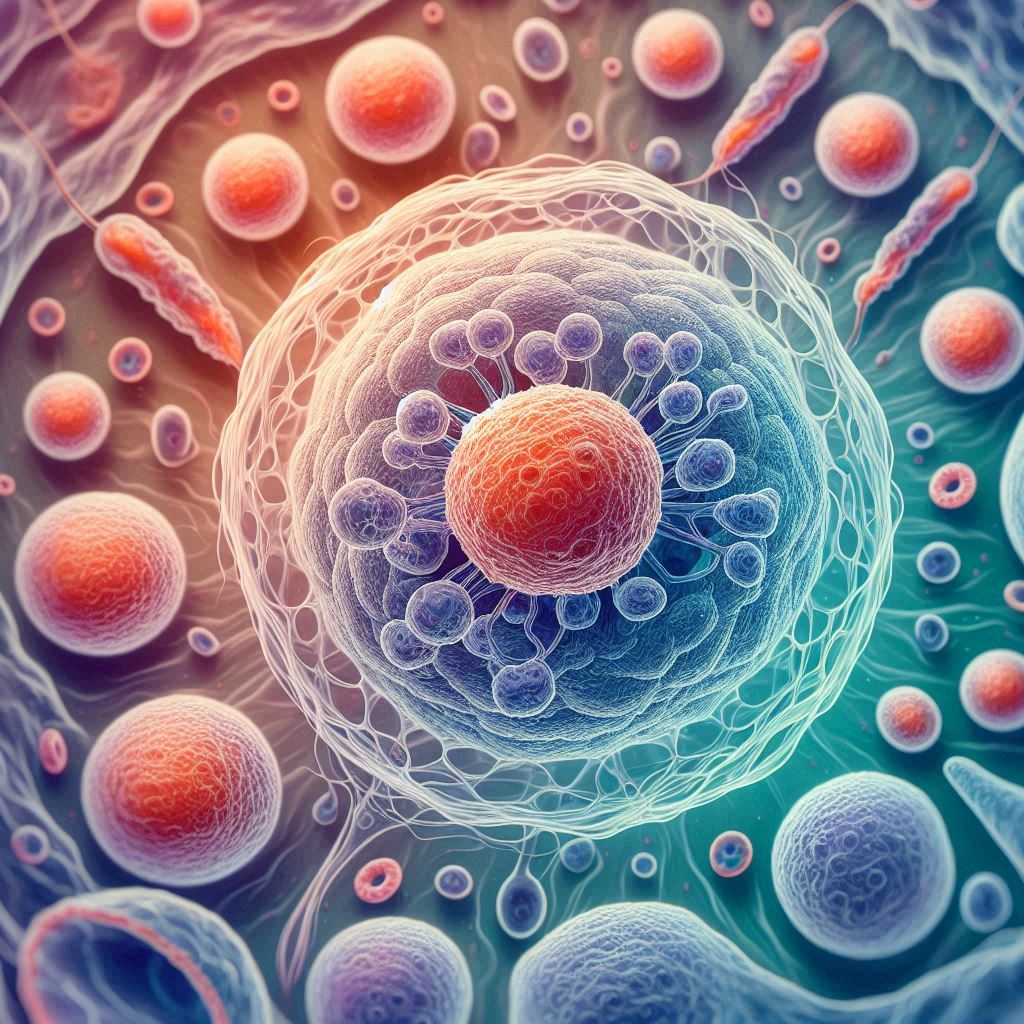
Cancer is a group of diseases characterized by the uncontrolled growth and spread of abnormal cells. If left untreated, it can result in severe illness and even death. Cancer can start almost anywhere in the body, which is made up of trillions of cells.
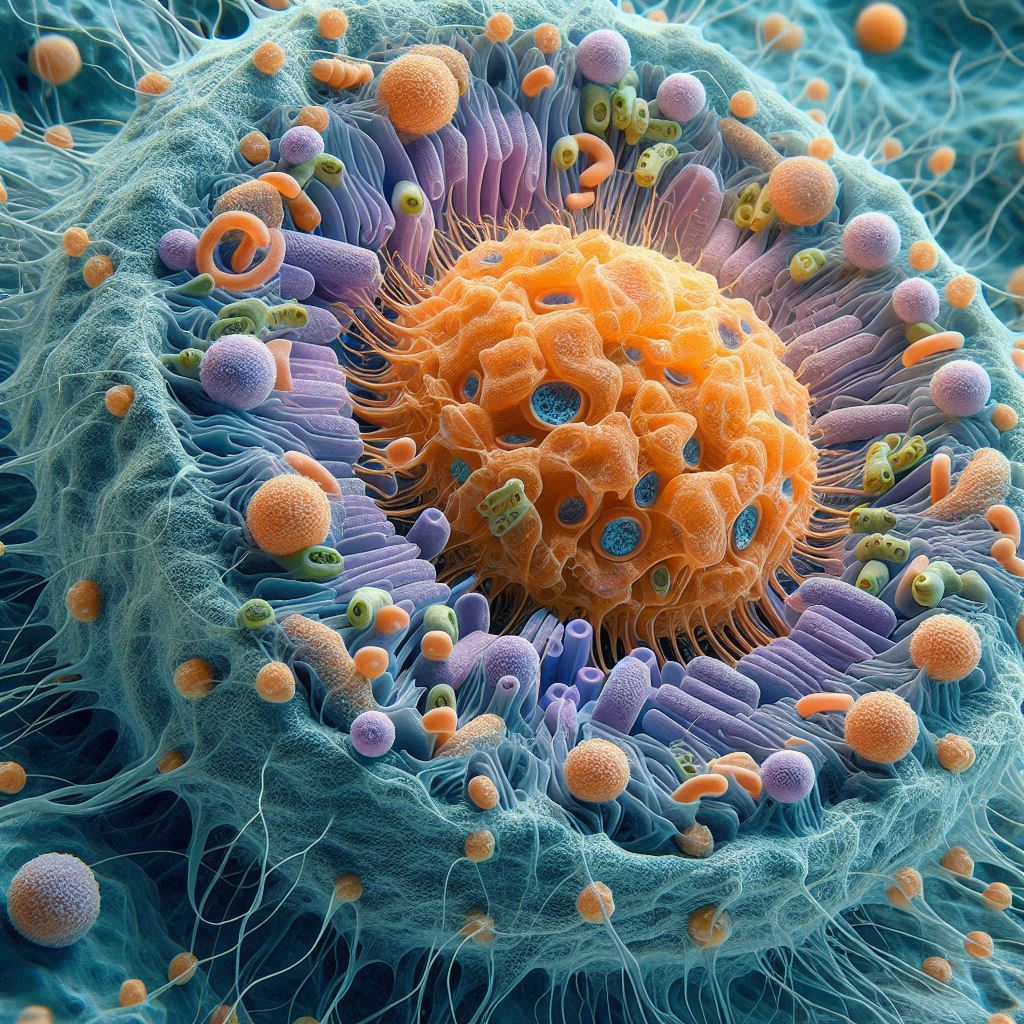
Cancer develops when genetic mutations occur in normal cells
These mutations cause cells to grow and divide uncontrollably, forming a mass of tissue called a tumor. Tumors can be benign (non-cancerous) or malignant (cancerous). Malignant tumors can invade nearby tissues and spread to other parts of the body through the bloodstream and lymphatic system, a process known as metastasis.
Cancer has been around for a very long time. The earliest known descriptions of cancer date back to ancient Egypt around 3000 BCE. Even dinosaurs are believed to have suffered from cancer, as evidenced by fossilized bones showing signs of malignant tumors
Jackie Grace
Contact
johndoe@email.com